
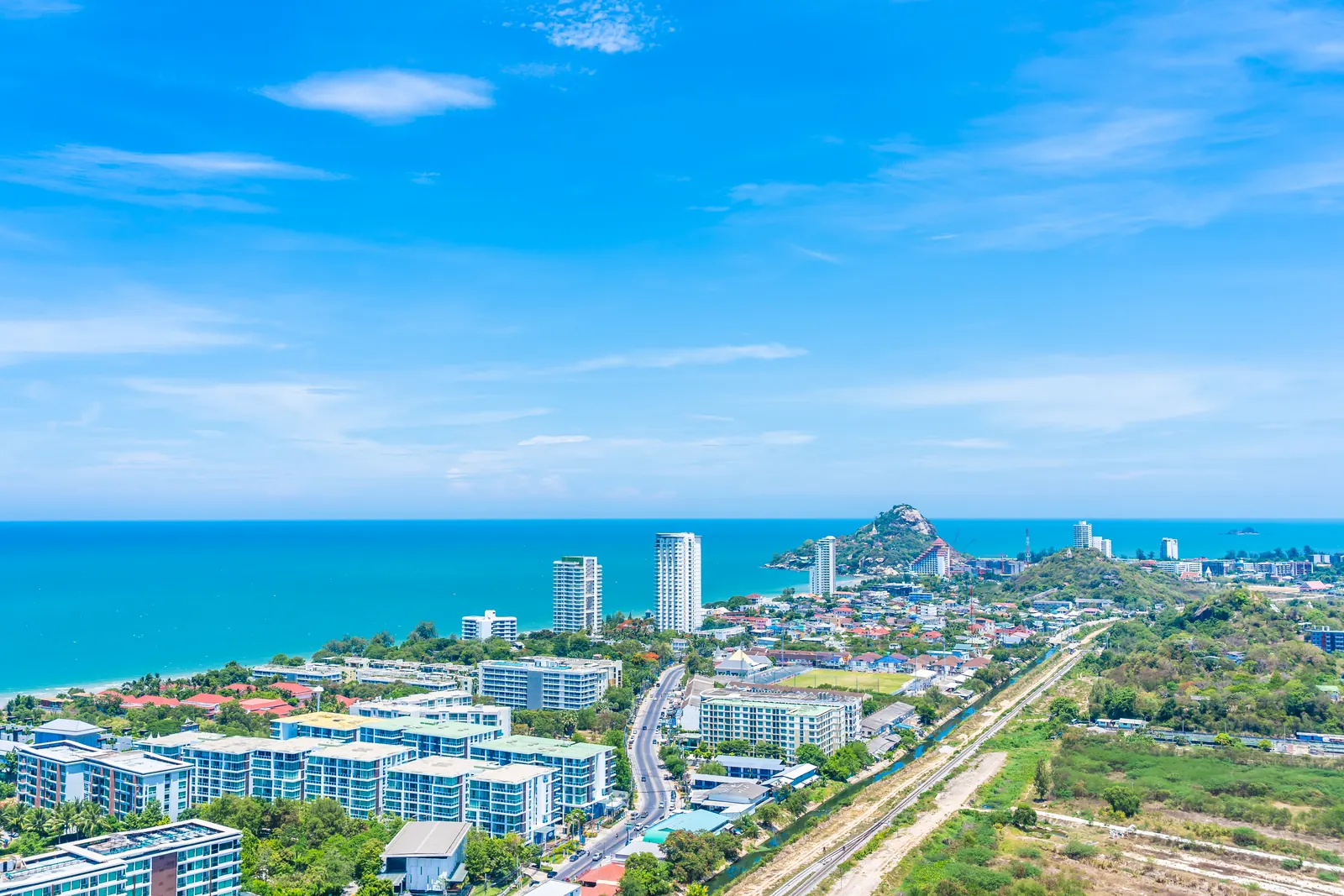
One of the biggest financial decisions for expats in Hua Hin is whether to rent or buy property. The answer for the vast majority of expats, at least initially, is to rent. Thai property ownership laws for foreigners are complex and restrictive, and the rental market offers very good value without the legal headaches.
Why Most Expats Rent
- Legal restrictions on foreign ownership: Foreigners cannot own land in Thailand. Condo ownership is possible (under the foreign ownership quota, max 49% of units), but houses and land require complex legal structures.
- Flexibility: Renting lets you move neighbourhood, city, or country without being locked in
- Rental value: The cost-to-rent ratio in Hua Hin is favourable, good quality accommodation at reasonable prices
- Avoid upfront capital commitment: The 800,000 THB retirement visa deposit already ties up capital; buying ties up much more
Renting in Hua Hin
The rental market is well-developed. Expats have a range of options from studio condos to pool villas. Long-term rental is straightforward: agree a price, sign a lease (most are 12 months), pay 2-month deposit plus 1 month upfront. See our Finding Accommodation guide for detail.
Condo Ownership for Foreigners
Foreign freehold condo ownership is legal in Thailand under the Condominium Act. The constraint is that foreigners collectively cannot own more than 49% of units in any building. Many new developments have been built with this foreign quota largely sold, which limits availability in popular areas.
If buying a condo, key considerations include:
- Engage a qualified Thai property lawyer before signing anything
- Confirm the building’s foreign ownership quota is not already full
- Understand ongoing maintenance fees and sinking fund requirements
- Confirm the developer’s track record if buying off-plan
Leasehold
Foreigners can hold land or a house on a long-term leasehold basis (typically 30 years, sometimes with renewal options). This is a common structure for villas and houses. A leasehold is not ownership, the land reverts to the landowner at the end of the lease. Leaseholds require careful legal structuring and due diligence.
The Honest Assessment
Property investment in Thailand can be profitable for those who know the market and have good legal advice, but it carries more risk than many expats initially appreciate. For most people moving to Hua Hin: rent for at least 1 to 2 years first. Understand the market, find out where you want to be, and then make a considered decision about buying if you are committed to staying long-term.
See our Real Estate directory for reputable agents in Hua Hin who can advise on both rental and purchase.
Related: Finding Accommodation | Cost of Living | Real Estate Agents